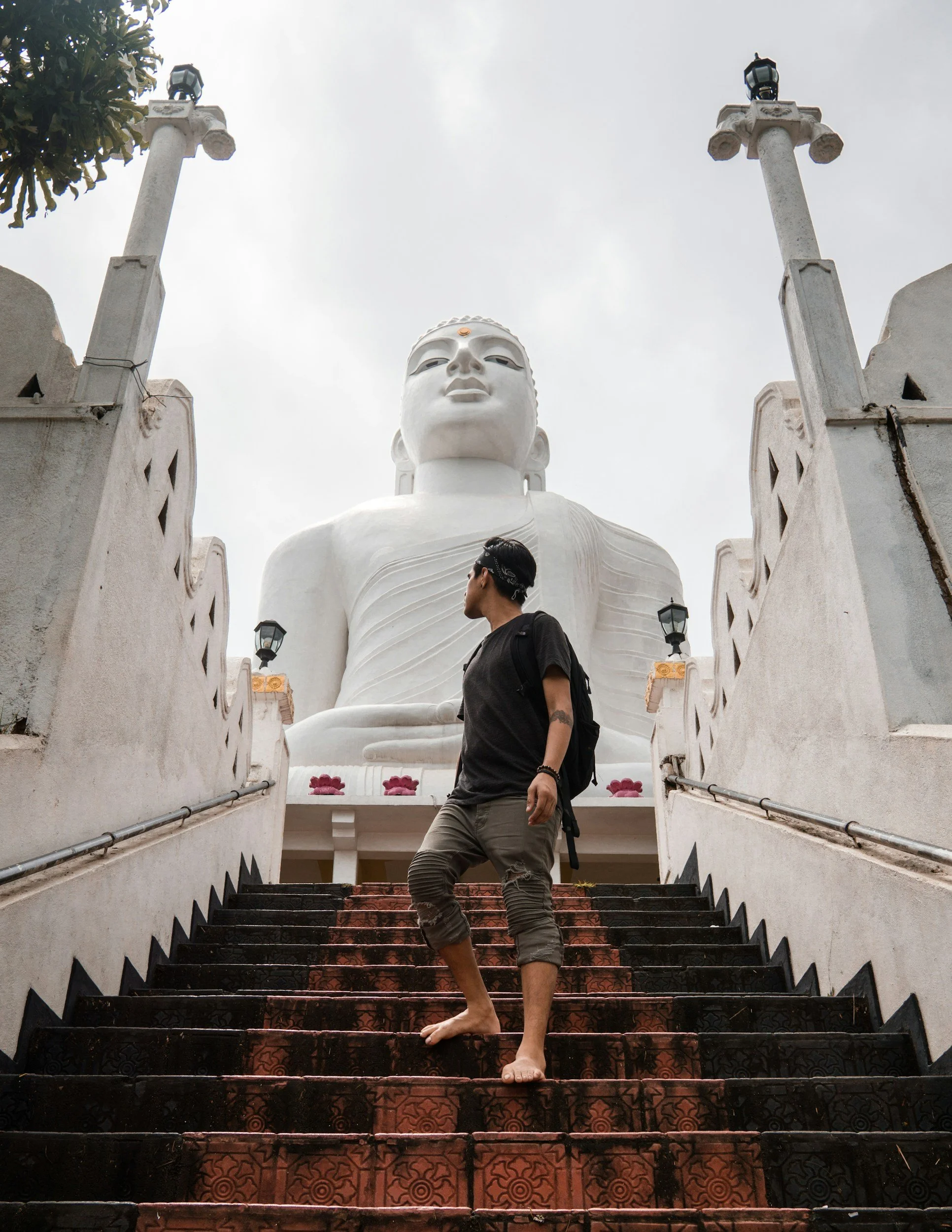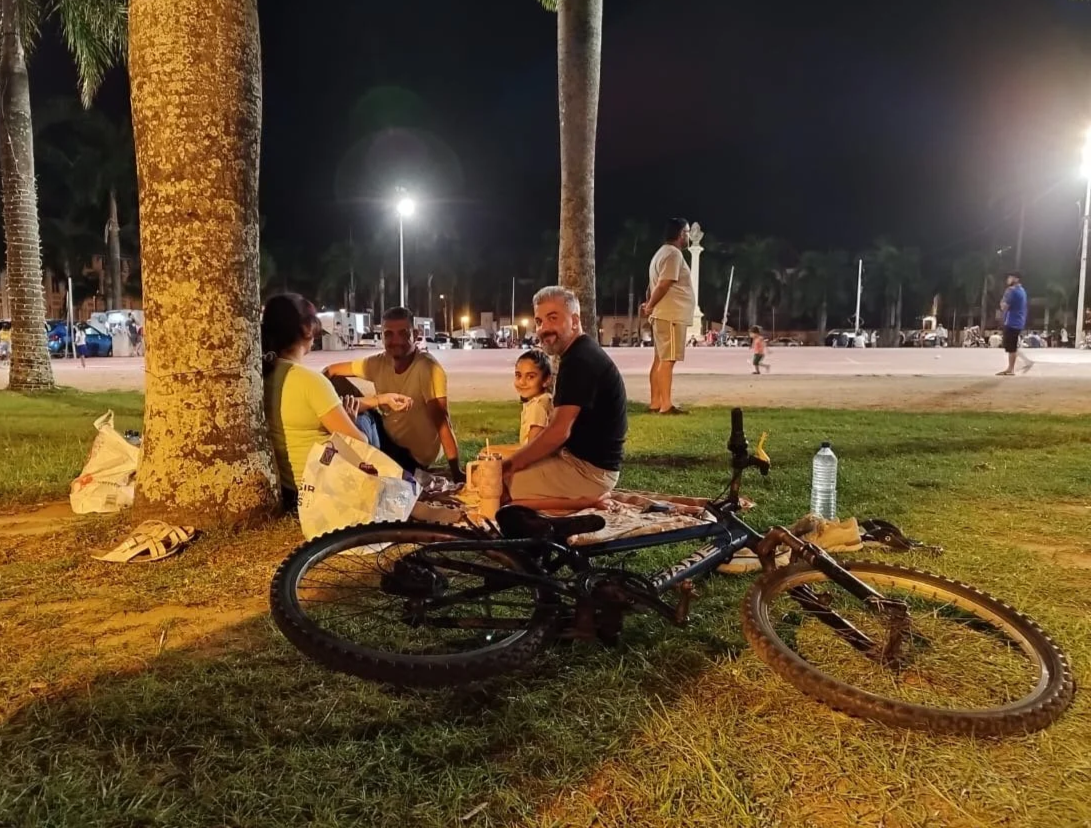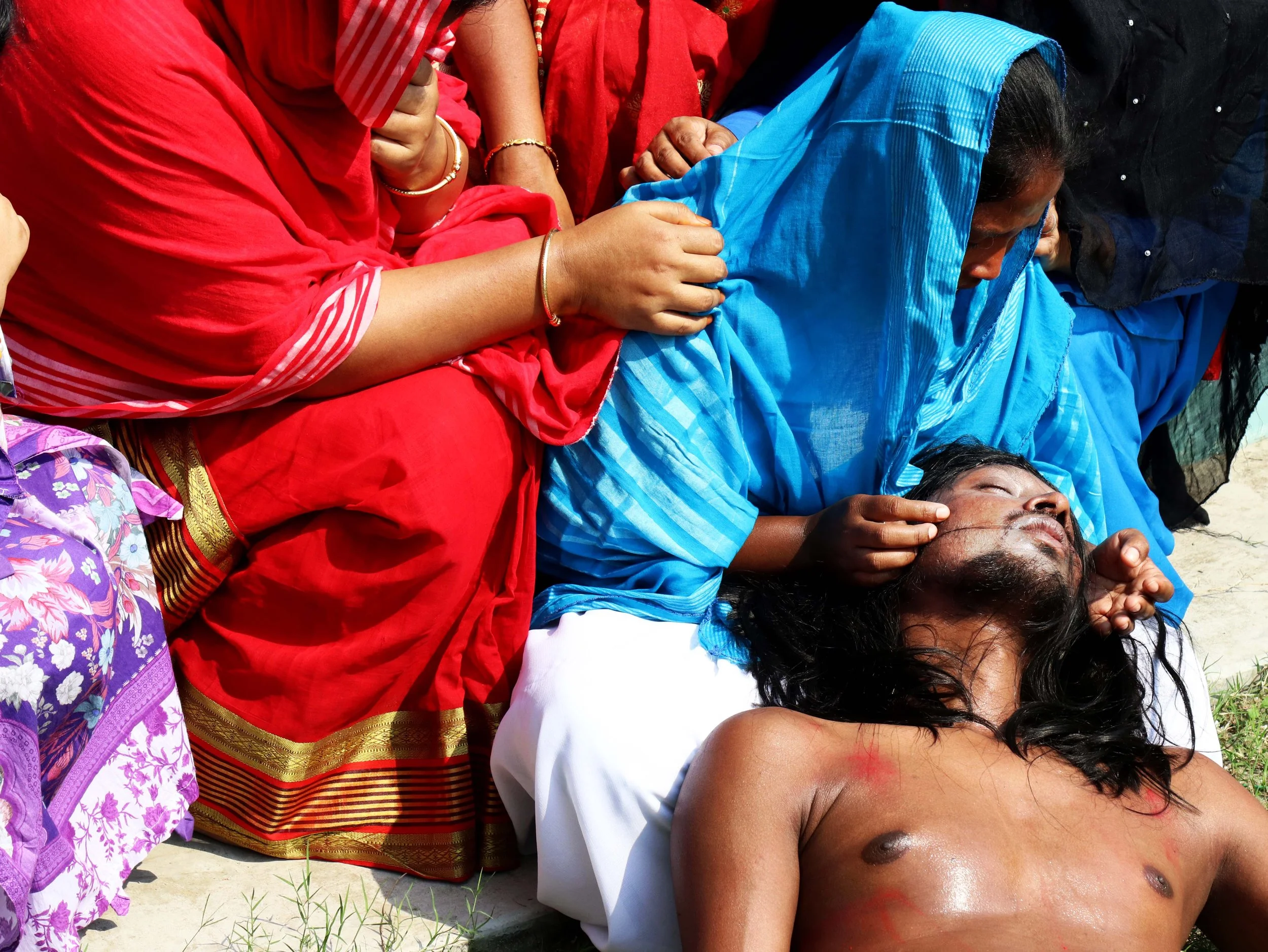
(PHOTO ESSAY) About 200 Catholic workers in Bangladesh’s Zirani industrial area marked Good Friday by staging the Way of the Living Cross. Despite demanding jobs, mostly in garment factories, they practiced and performed the devotion, reflecting their strong faith. In Muslim-majority Bangladesh, Easter Sunday is not an official holiday.
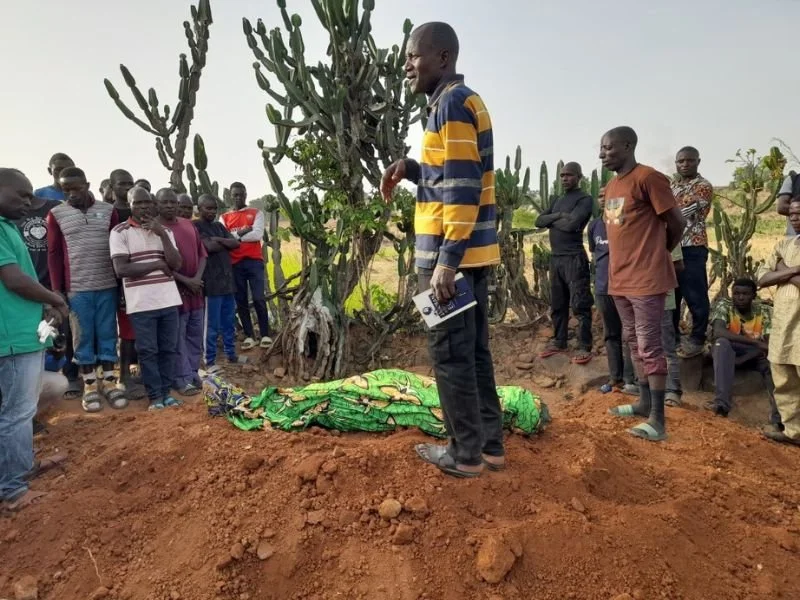
Read MoreAt least 53 Nigerians were killed in three Palm Sunday attacks in predominantly Christian communities in North Central Nigeria. Not all of the victims were Christians in the deadliest attack when at least 30 people were killed and several others hospitalized, Open Doors UK reported. But all attacks occurred in areas known to be predominantly or significantly Christian, with a Voice of the Martyrs field worker describing the Jos community as “100 percent Christian.”
Read More(ANALYSIS) In war-torn Iraq, Muslims will join Christians in celebrating Easter every year, fostering a spirit of solidarity and coexistence. The celebrations have gained prominence since ISIS was forced out of major strongholds. Around 140,000 Christians in Baghdad, Mosul, the disputed territory of Nineveh plains celebrate Lent, which culminates with Easter Sunday.
Read More(ANALYSIS) In an era when religious and moral differences often feel like threats to identity, cultivating an individual ethic of pluralism may be one of the most critical civic tasks before us. Pluralism is not who we are by default. But it can be who we become — slowly, deliberately and together.
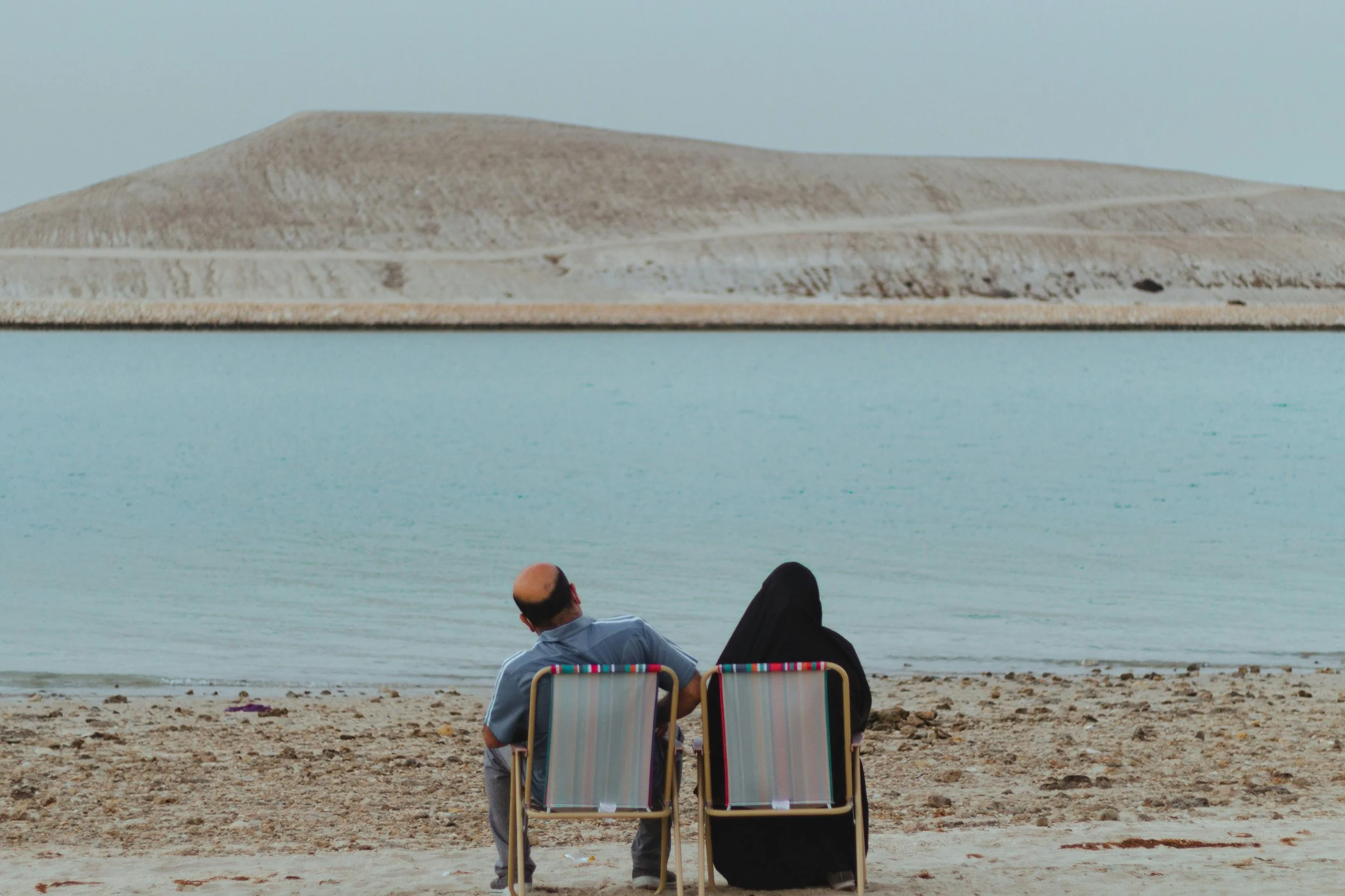
Read MoreIn the past three years, Bahrain, a small Middle-Eastern country off the coast of the Arab Peninsula, has been promoting women’s empowerment despite its strict religious laws and criticism from religious clerics.
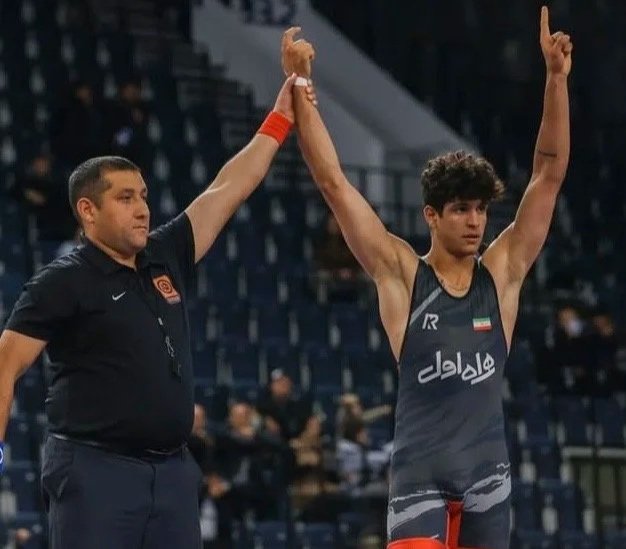
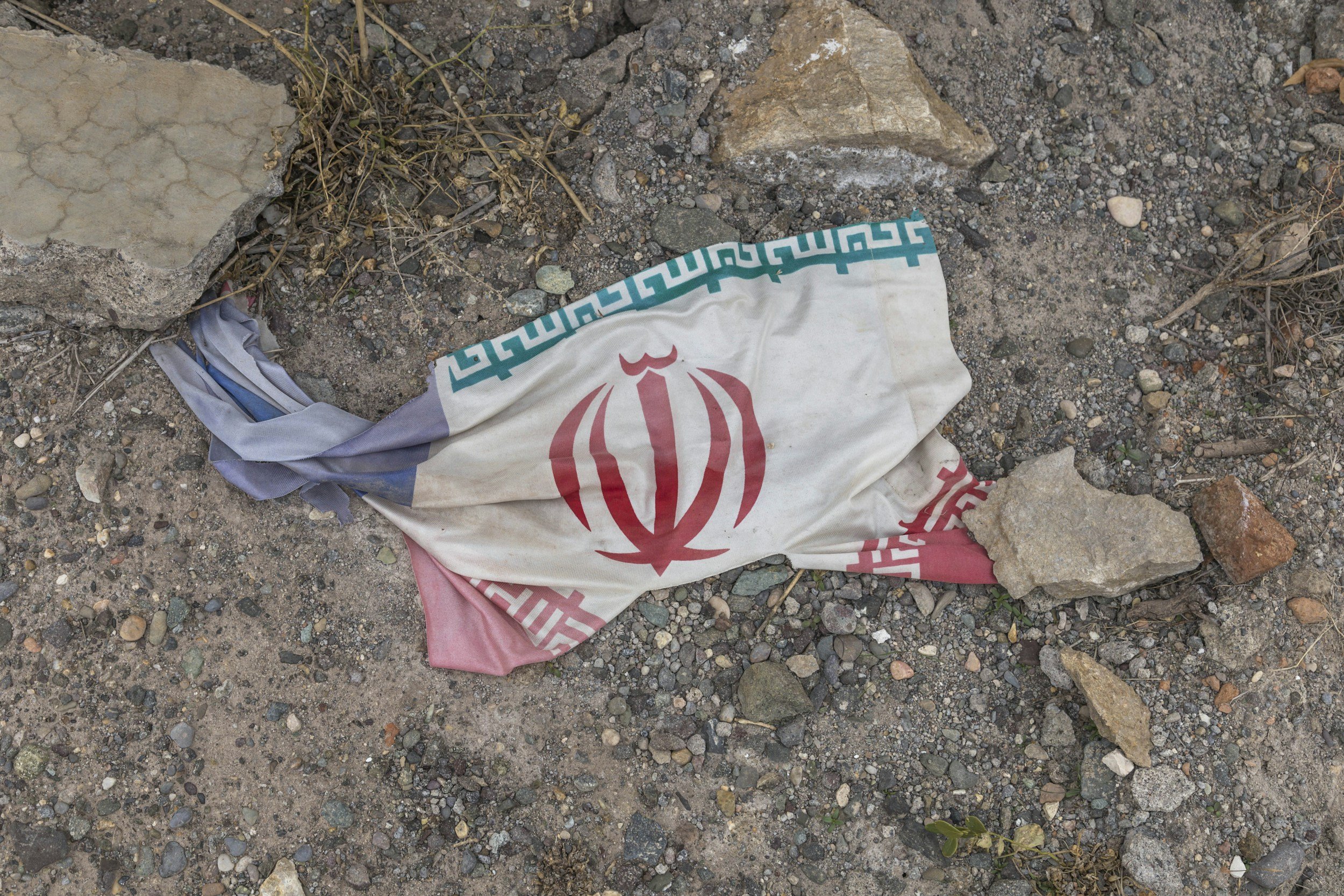
Read More(ANALYSIS) The execution of 19-year-old wrestler Saleh Mohammadi by Iran’s tyrannical regime is not just another macabre hanging in the theocracy’s escalating use of capital punishment, but a revealing incident in how the state confronts ongoing dissent.
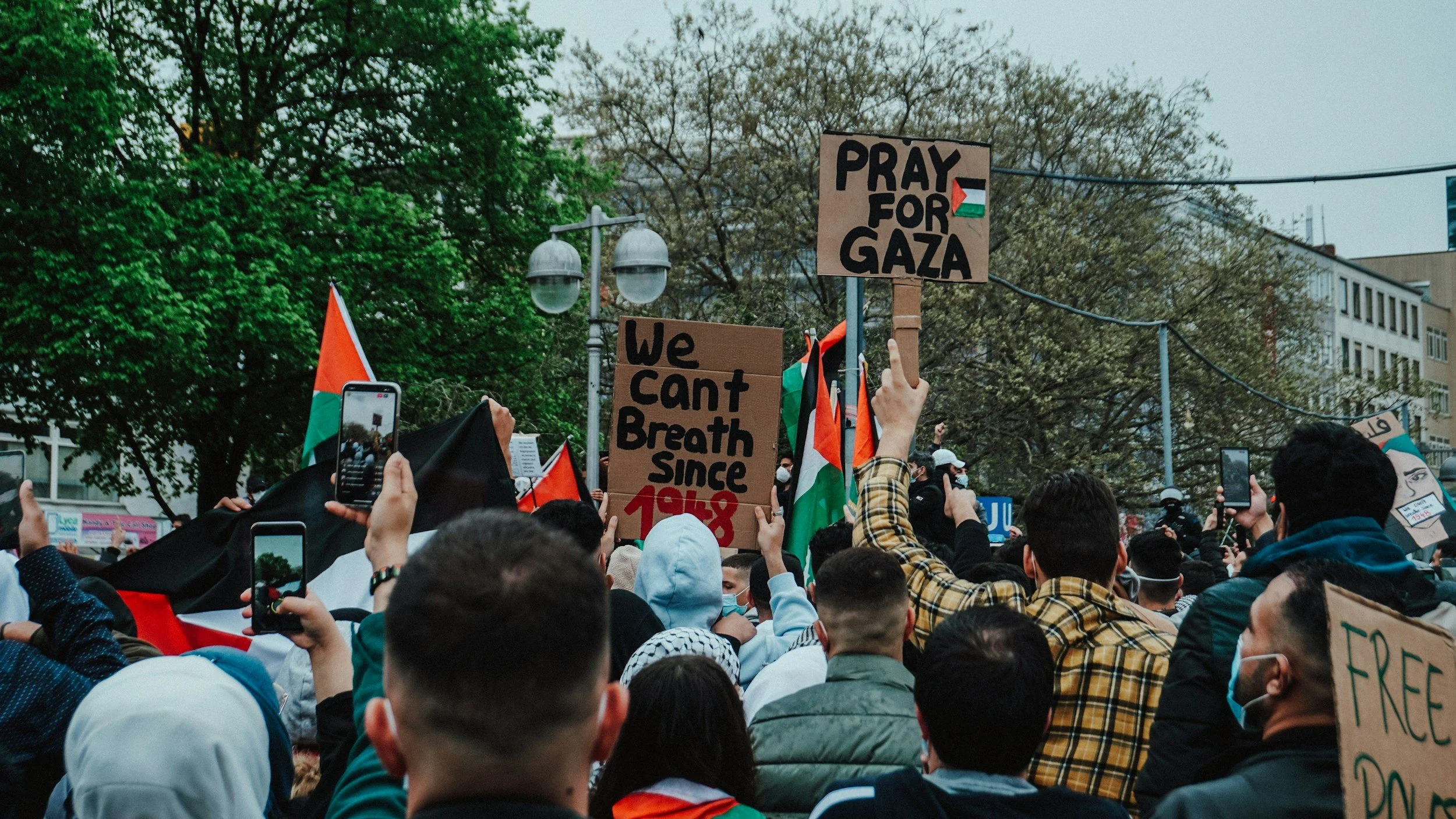
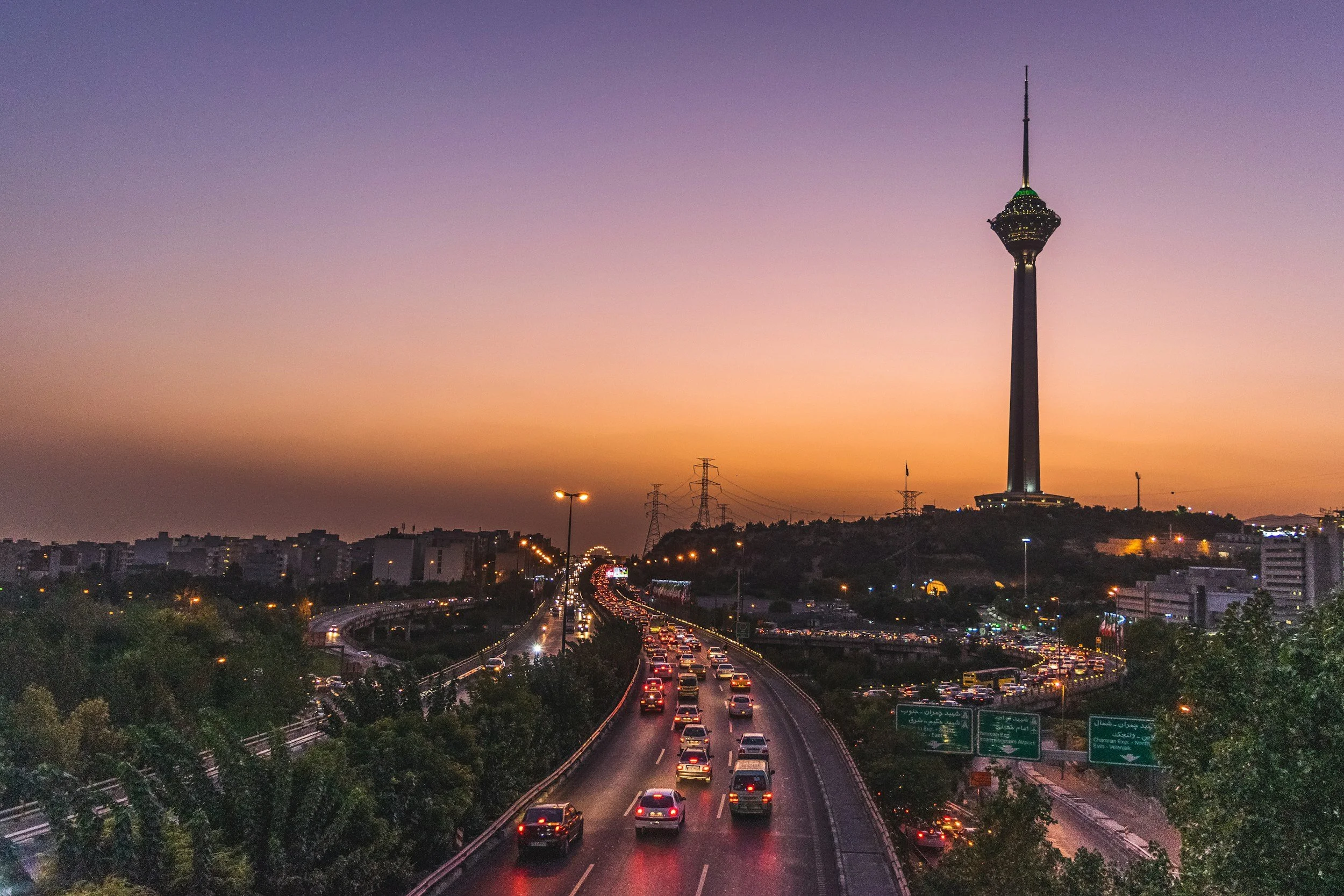
Read More(ANALYSIS) The war in the Middle East is rapidly expanding across the Gulf countries, including Iran and Lebanon. The conflict has already targeted the region’s civilians, natural resources, tourist destinations and U.S. military bases. Some Muslim community leaders in the U.S. warn that people far from the conflict could experience backlash.
Read MoreMuslims in French Guiana are a small minority, making up roughly 0.9% of the population, which equates to about 2,070 people. However, asylum applications from Muslim communities are surging and the small Muslim community that does exist are finding a way to observe their religious traditions.
Read More(ANALYSIS) For millions of Iranians — especially religious minorities — the central political question is no longer simply whether the Islamic Republic can reform itself. After decades of repression, including the criminalization of peaceful religious expression and the systematic restriction of independent faith communities, the deeper question is what kind of political future could realistically secure freedom of religion or belief (FoRB) for all Iranians.
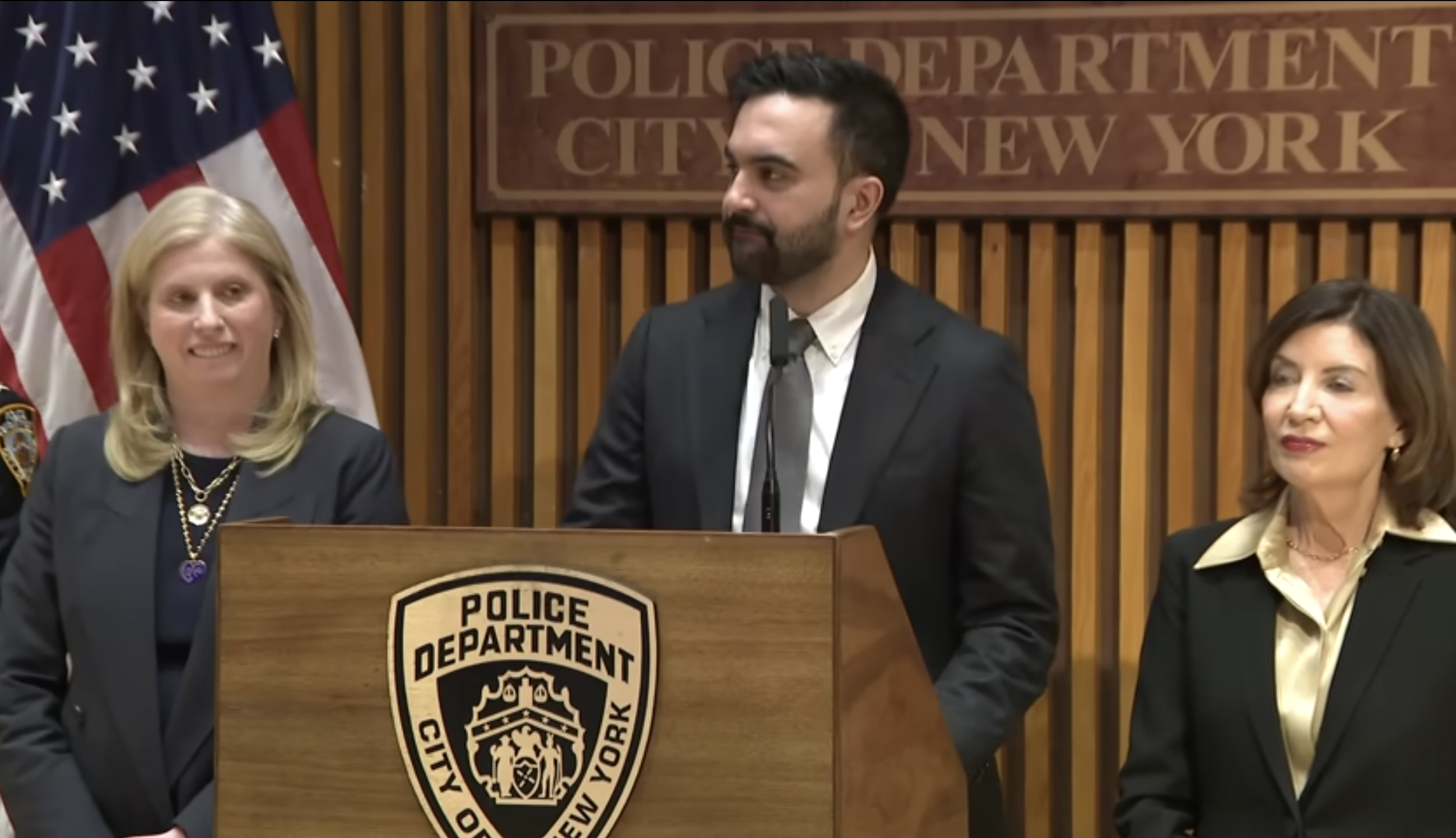
Read MoreWhat can news consumers learn from this complicated drama? Surely it is a commentary on the age in which we live that many Americans laughed when they read the early New York Times headline about the terrorist attack that fizzled near the New York home of Mayor Zohran Mamdani.
Read More(ANALYSIS) As the American and Israeli war with Iran unfolds, some American Christians are speaking of the conflict in biblical terms — mapping end-time prophecies on to current events in the Middle East. In a sermon on March 1, for example, John Hagee, founder of Christians United for Israel, described the war as part of a divine plan.
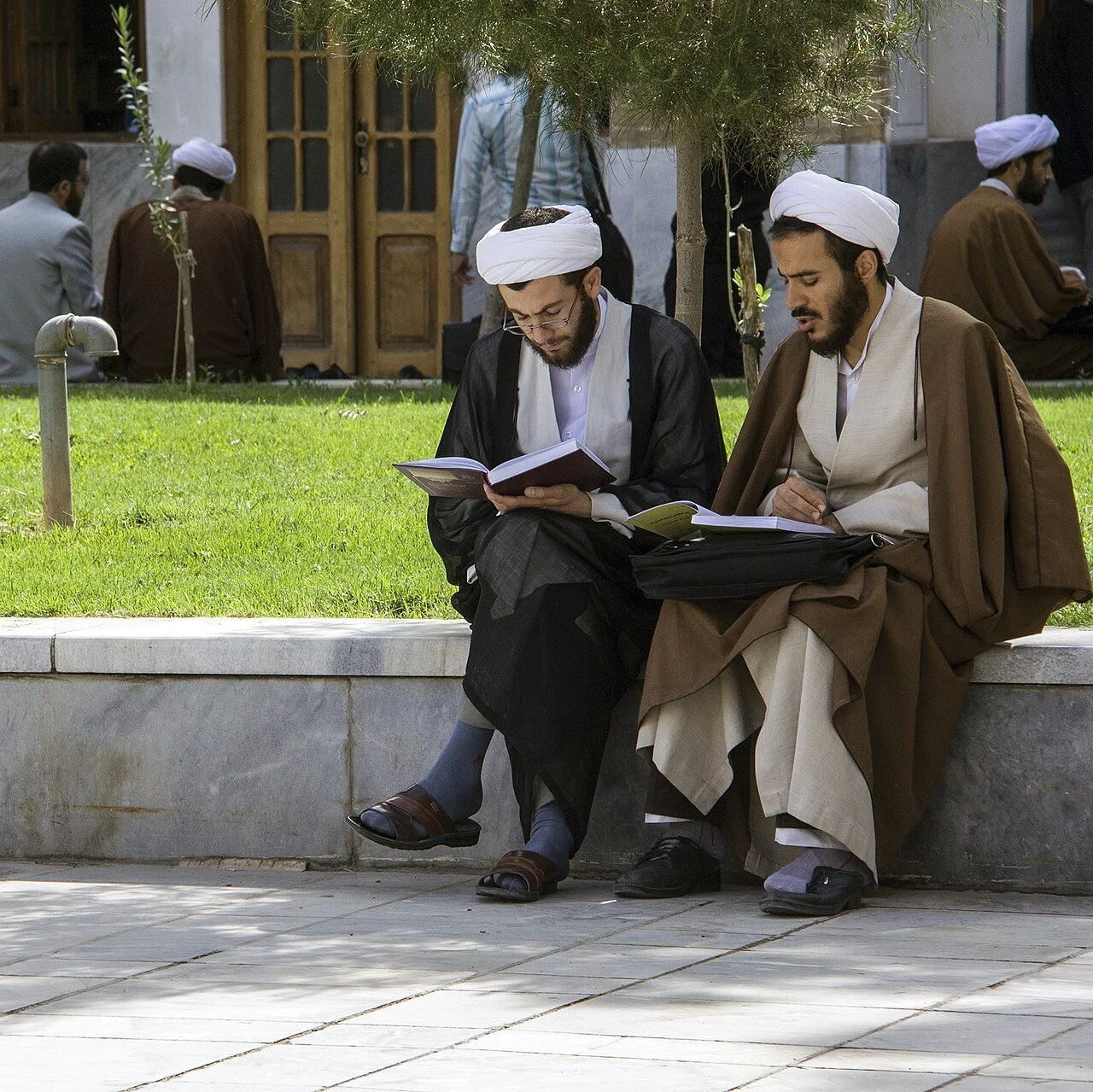
Read MoreAs you approach Iranian houses of worship, you’ll hear it: Locals striking their chests and rhythmically chanting laments to grieve the recent death of Supreme Leader Ali Khamenei’s death. Each movement carries a dual meaning — expressing both personal grief while signaling loyalty to both a religious leader and a totalitarian state.
Read MoreThe report critiqued other branches of the U.S. government that have undercut protections for religious freedom. It criticized, for example, cuts to USAID programs, since many of those programs were specifically aimed at protecting religious freedom.
Read More(ANALYSIS) The appointment of Mojtaba Khamenei as Iran’s new supreme leader on Sunday marks a pivotal moment for the country’s political and religious future — and for the religious minorities who have long lived under the constraints of the Islamic Republic’s theocratic government. As the war rages on, it remains to be seen what his elevation means for Iran and the region.
Read MoreThis five-year housing target — one of the boldest by a British government in a generation — was enshrined in the Labour Party’s promises and embedded in policy through planning reforms and legislative frameworks looking at speeding up development and cutting through bureaucratic inertia. However, will there be room for houses of worship to be built?
Read More(ANALYSIS) Following the killing of Iran’s Supreme Leader, Ayatollah Ali Khamenei, the country has begun a rare leadership transition overseen by an interim council and the Assembly of Experts. As clerics consider successors such as Mojtaba Khamenei and Alireza Arafi, the process highlights how political loyalty often outweighs religious credentials in selecting Iran’s supreme leader.
Read MoreThe Pew Research Center surveyed thousands of adults in 25 countries and found that 53 percent of Americans said their fellow countrymen had “somewhat bad” or “very bad” morals. Those findings broke with the international trend: In every other country surveyed, the majority said that others in their country have “somewhat good” or “very good” morals.
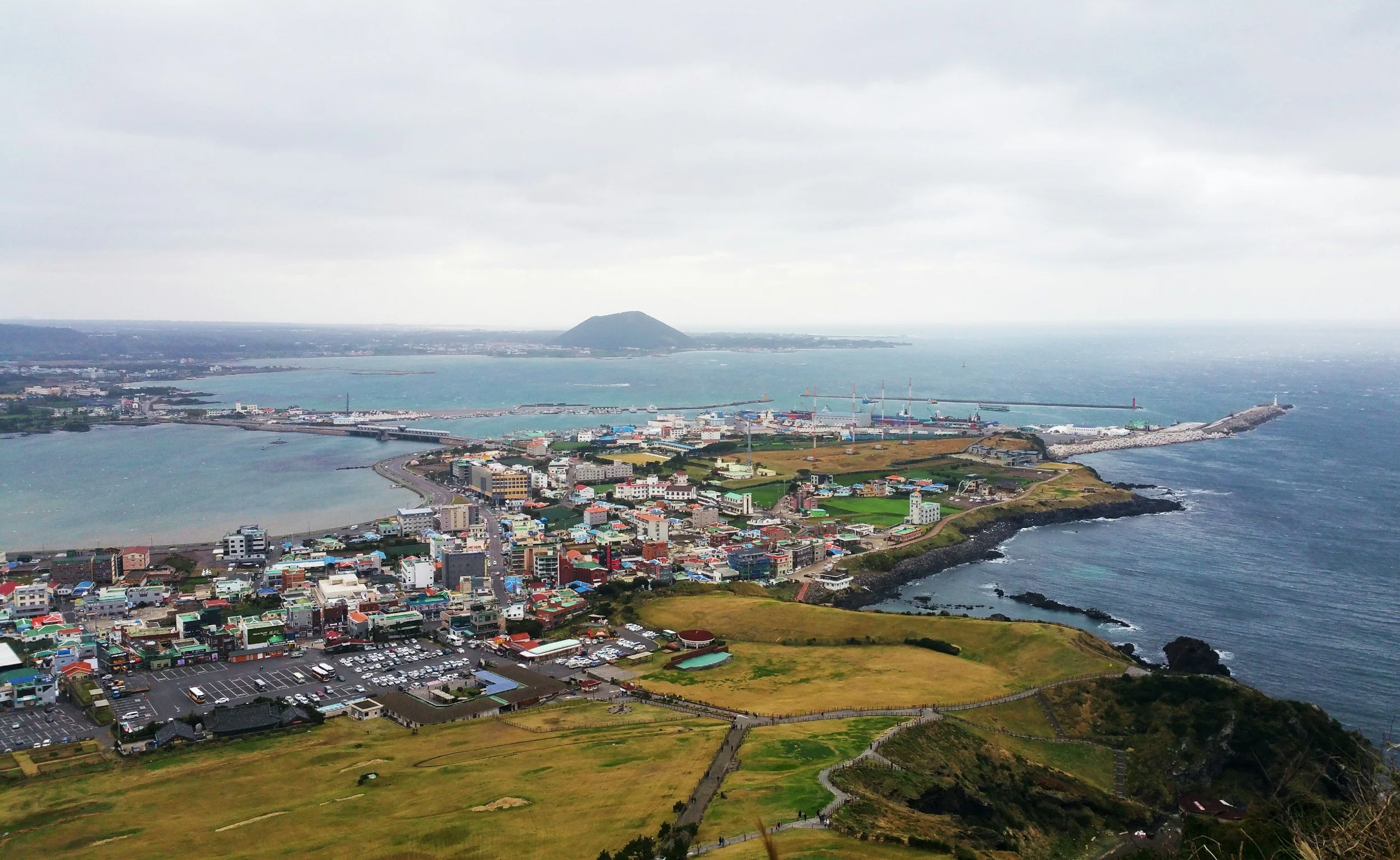
Read MoreThe residents of Jeju Island remember what it is like to resist imperialism and outside interests. Groups that were formed to protest the U.S. naval base construction have now shifted their focus to seek peace in Palestine following the year-long Israel-Gaza war.
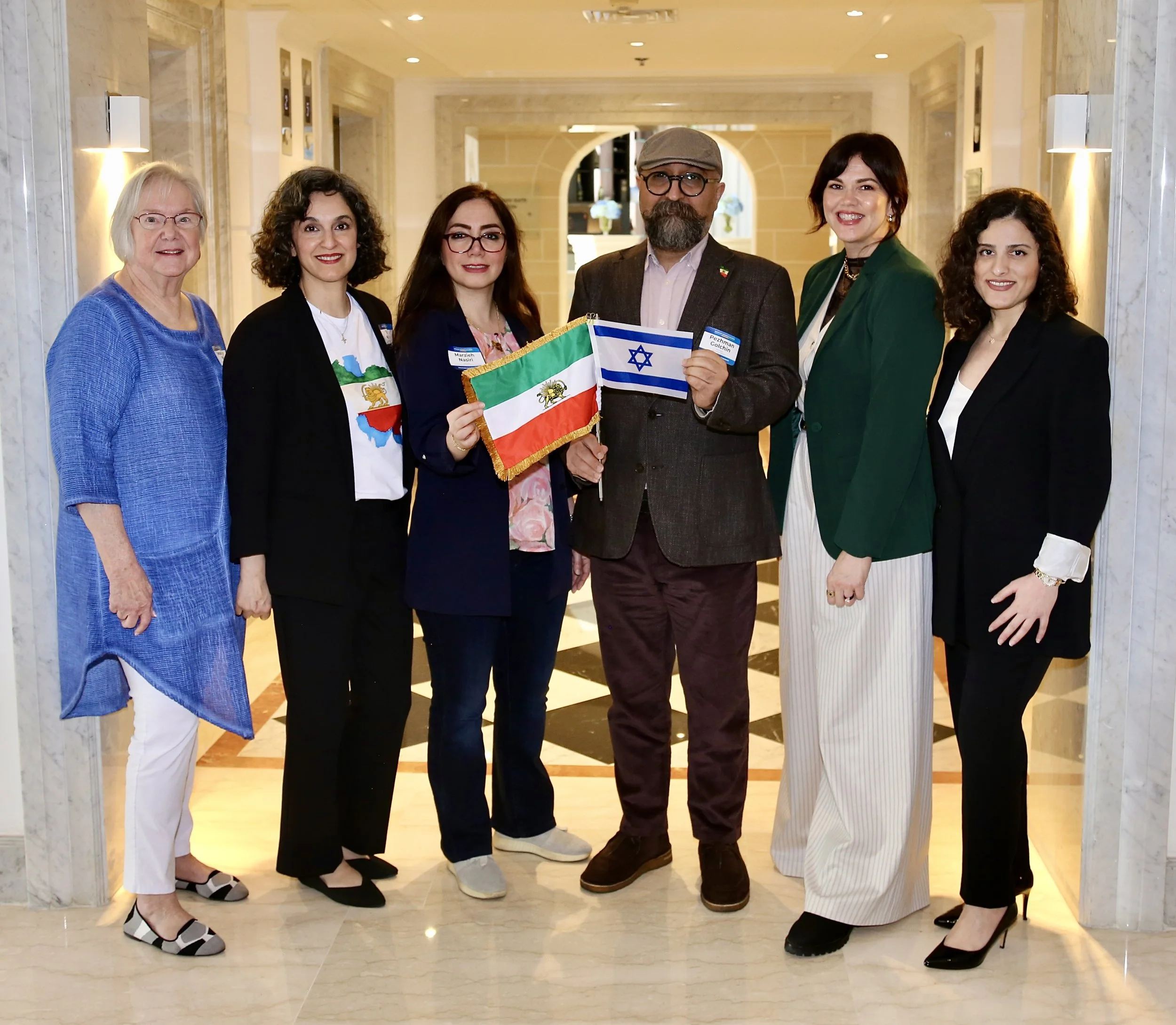
Read MoreThe summit unfolded against a backdrop of escalating geopolitical tension, coinciding with U.S.-Israeli airstrikes on Iran that resulted in the death of Supreme Leader Ayatollah Ali Khamenei and the prospect of regime change in a country gripped by Shi’a rule for nearly 50 years. For many of the attendees who flew to Malta, regime change in Iran is the start of a new era.
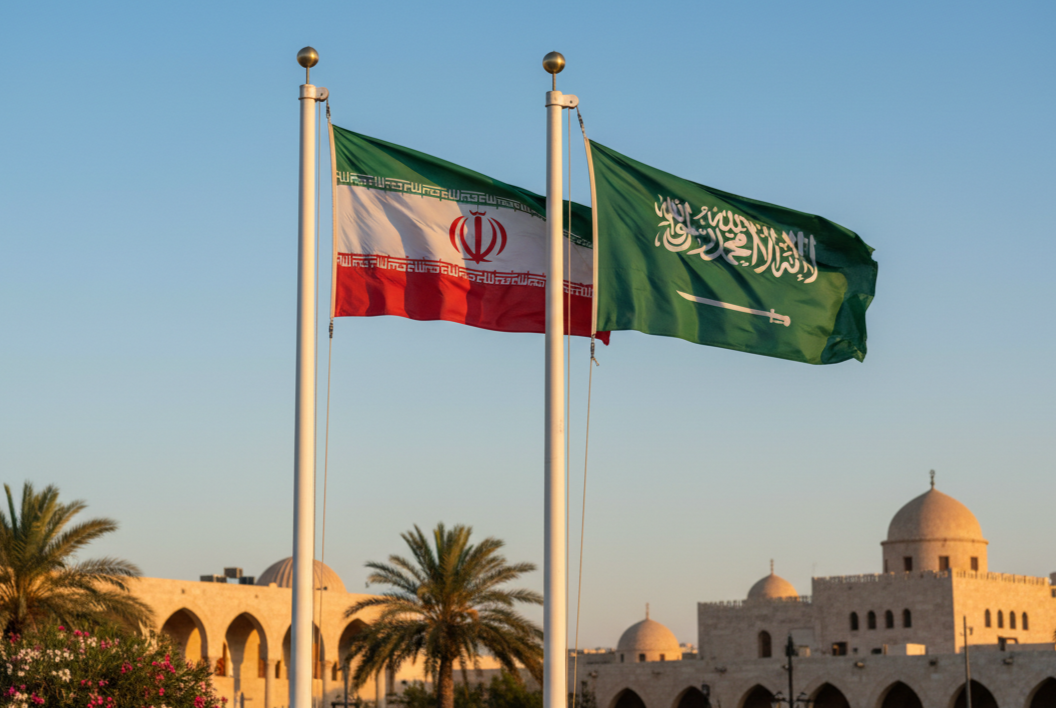
Read More(ANALYSIS) Understanding this distinction can help get past oversimplified narratives. The Middle East’s conflicts are not simply ancient religious feuds. They are modern political struggles shaped by history, identity and political interests. Here’s what you need to know about Sunni and Shia Islam — and how it impacts Iran and the current situation there.
Read More